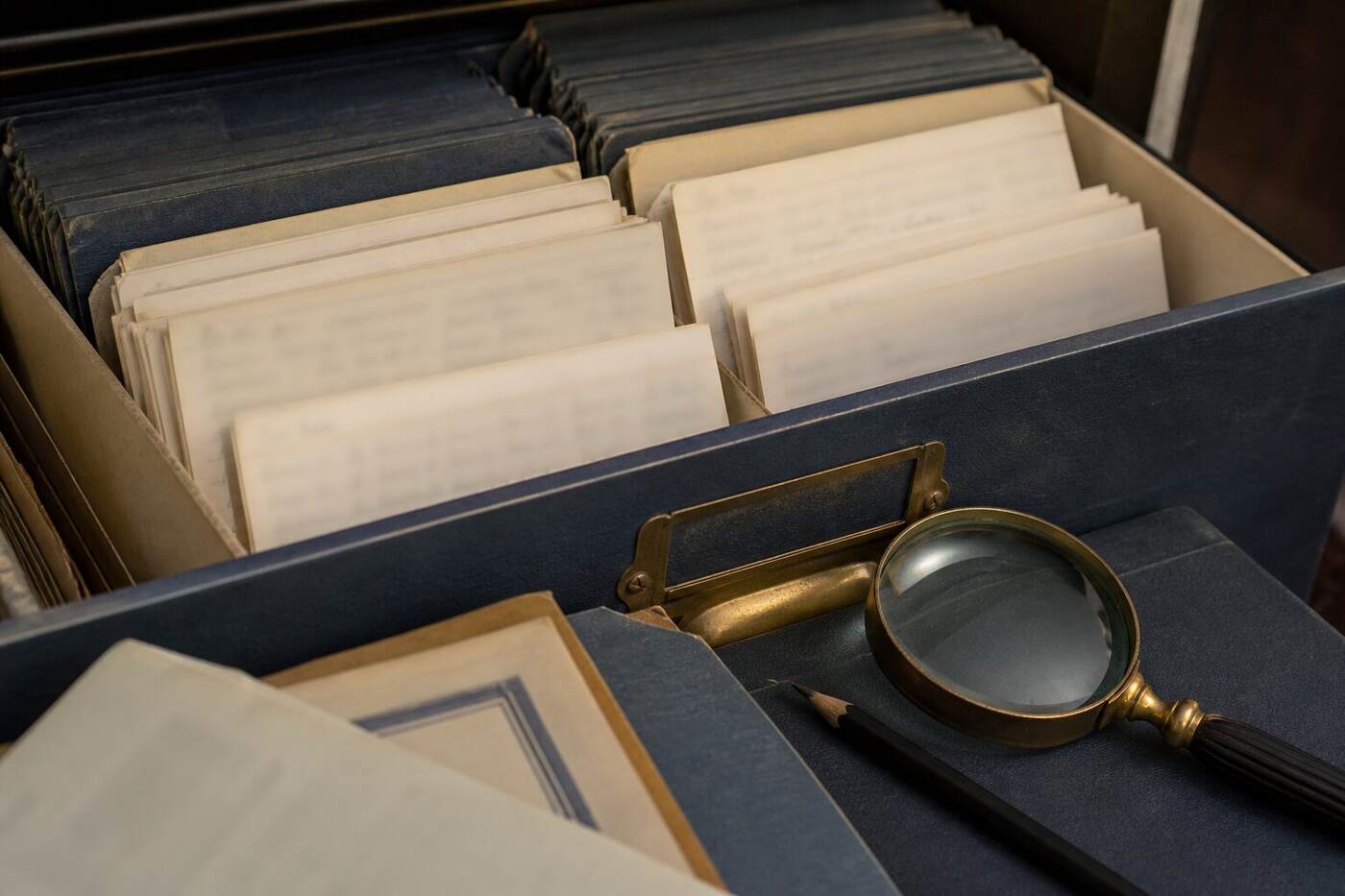
A roll is an administrative snapshot
Muster rolls can help establish that a person was recorded with a unit at a particular time. They are valuable for family history and service research, but they describe an administrative moment rather than every activity aboard.
Build a narrow research question
Start with a ship, unit, date and person already supported by the family material or another record. A focused question reduces false matches and keeps the search respectful.
Publish less than you find
Service numbers, home addresses and living-person details do not belong in a public article. The guide teaches the method and points to the archive while keeping the page useful without exposing a roster.
Know what the series records
NARA describes muster rolls as quarterly records and personnel diaries as monthly records of changes. They can establish an administrative relationship between a person and a ship or unit at a particular time. They are not crew narratives, watch bills or proof that someone participated in every event during the period.
Coverage also changes. The 1939 through 1956 rolls generally list enlisted personnel, with officers found through deck logs and other records. From March 1957, muster rolls include officers as well as enlisted personnel. That date matters when a search appears to omit someone whose role is otherwise supported.
Build a narrow identity check
Begin with a known name, approximate date, ship designation and an independent family or service record. Note spelling variants without merging people who merely share initials. A hull number is especially useful when a ship name has been reused or a catalog abbreviation is ambiguous.
A match should record the roll or diary date, page and exact unit wording. A later article can summarize the assignment without publishing service numbers, addresses or a complete roster. The research value comes from answering the stated question, not from exposing every field the archive makes visible.
Privacy changes the public output
NARA notes that later Navy personnel records can contain Social Security numbers and may require privacy review or a Freedom of Information Act process. The public guide therefore focuses on 1939 through 1970 methods and does not reproduce sensitive identifiers. Access to a record is not an instruction to republish every detail.
For Phoebe research, rolls can help evaluate a caption, letter or reunion recollection. They should be cited as administrative evidence and paired with the item being studied. A confirmed assignment can strengthen context while still leaving authorship, identity in a photograph or participation in a specific event open.
Research worksheet
Put this method to work
Keep the research extract private when it contains identifiers not needed for publication. The public note can state that an administrative assignment was confirmed, cite the roll and page and explain the date. A family researcher with a legitimate need can follow the archival route. This proportionate output respects the record and still provides verifiable evidence, avoiding both an unsupported name and an unnecessary public database of personnel details.
Continue the research
Follow the evidence into the next question
Compare administrative evidence with the crew photo workflow before naming a person.
Use the method beside the mail-call archive when a letter supplies a name and date.
For an event rather than an assignment, move to the deck-log guide.
Return to the saison culturelle et reservation route.
Return to the coin collection care route.