01
Denton County Local History Museum Guide
A practical guide to using a Denton County local history museum for genealogy and research, from exhibits to deeds, probate, census and cemetery records.
The Phoebe Ledger / field notes in public
A source-led journal about USS Phoebe, coastal mine warfare, western Pacific service and the work of keeping memory honest.
Five routes in
The publication connects a ship profile to the systems around it: design, operations, maritime technology, heritage and the records that let a reader check the story.
A practical guide to using a Denton County local history museum for genealogy and research, from exhibits to deeds, probate, census and cemetery records.
A guide to using local history museums for family research, with Denton County, Texas as the working example and the records that answer real questions.
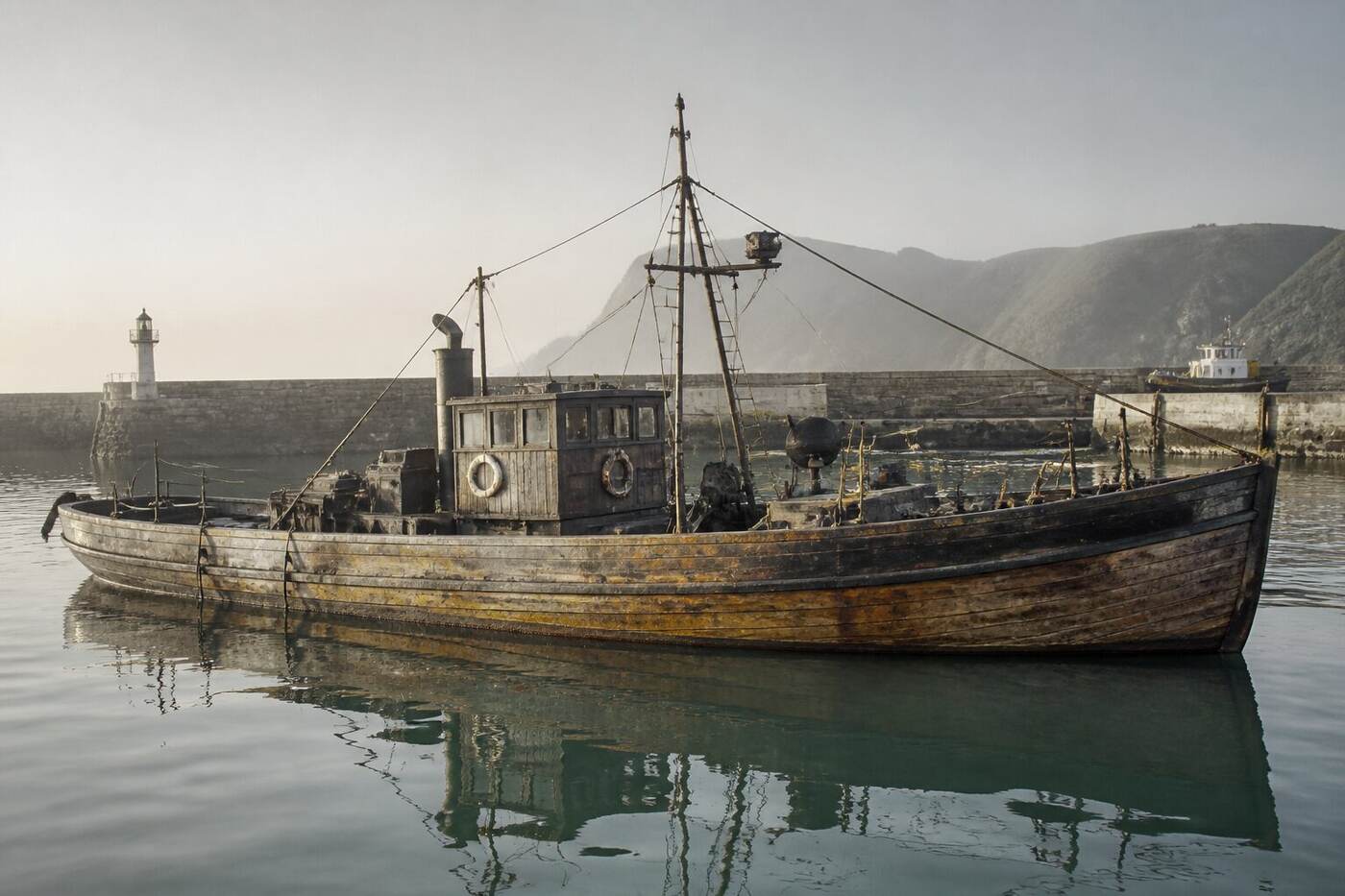

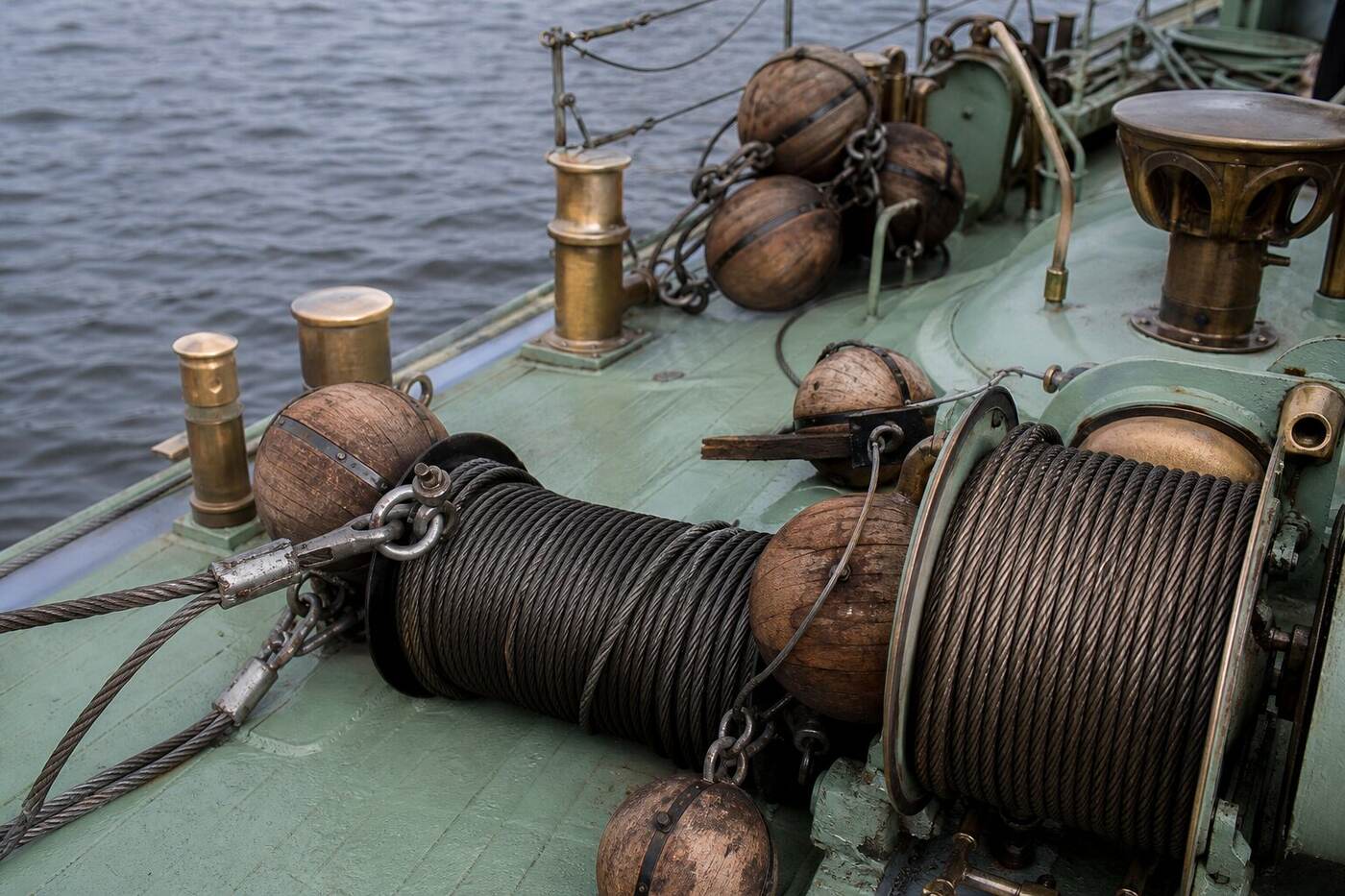
Mines, sweeping, materials, equipment and the technology behind small-ship work.
Signature asset
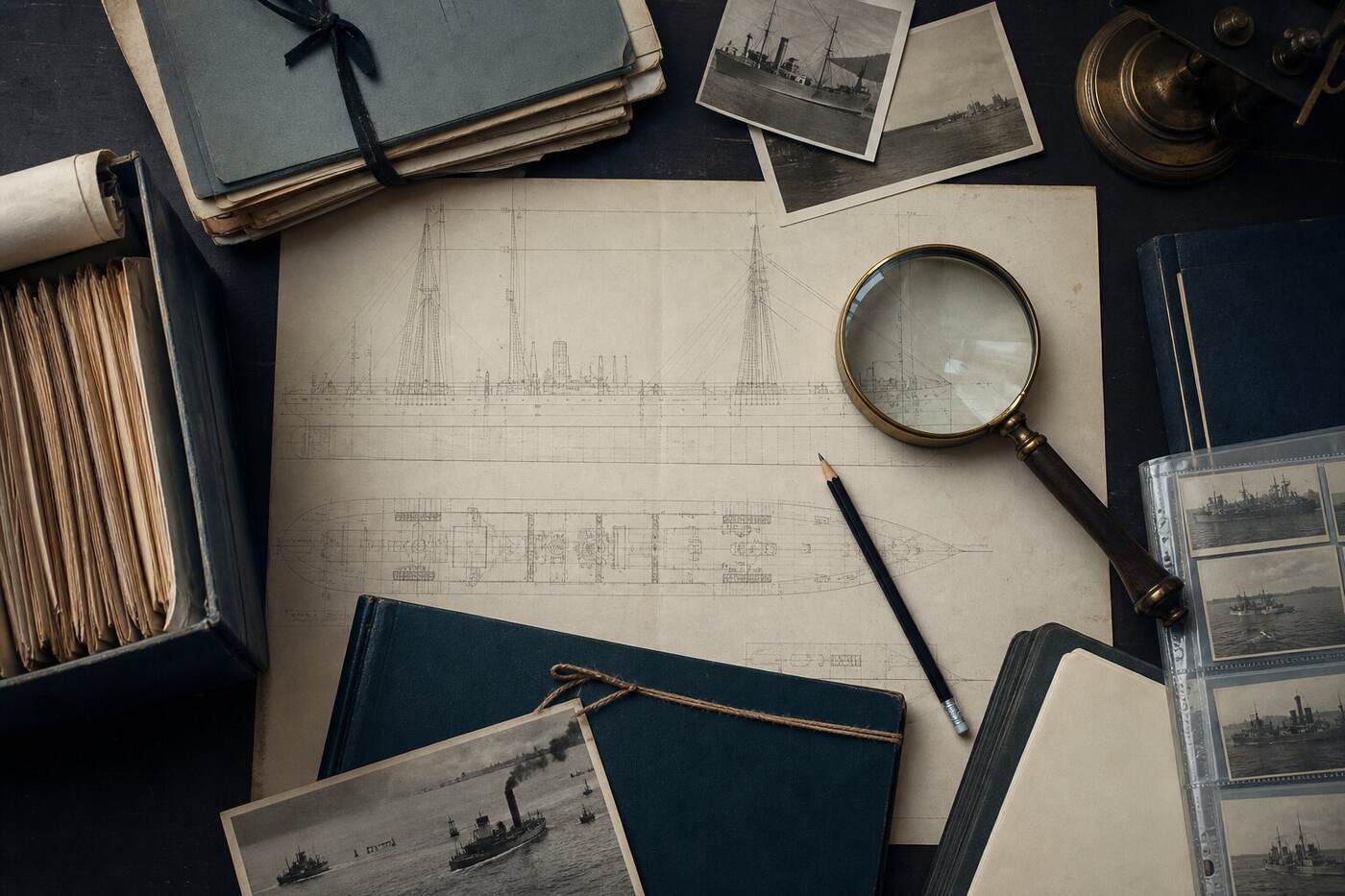
A dated chronology that keeps each event, place and evidence note in the same view.
From the desk
 35
35A record-based look at the Latin Monetary Union, its 1865 convention, its silver and gold coin standards, and how collectors read the coins today.
 34
34Repères pour lire l'offre du Centre Culturel de Cagnes-sur-Mer : cours de danse, théâtre, arts plastiques, langues, saison et inscription.
 33
33How the 1915 Tamburini organ is read: stoplist, mechanical, pneumatic and electric transmission, and why it moved from Treviso to Trebaseleghe.
 32
32A record-first look at writing and illustrating children's books in North and South Carolina, from manuscript formatting to regional critique groups.
 31
31A record-first look at forge technique, tools, and the iron still standing in New York's Capital District, from Burden Iron Works to Monitor plate.
 30
30Día, El día de los niños / El día de los libros, is celebrated on April 30. Its Mexican roots, Pat Mora's 1996 idea, and how libraries mark it.
 29
29How the Be On Our Side campaign placed pro-Palestinian posters in American transit systems from 2010, and how counter-ads answered them in 2011.
 28
28A field guide to wild buckwheat (Eriogonum): how it differs from grain buckwheat, how to identify it on a hike, and which species to plant first in a dry
 27
27A plain record of Baptist belief and practice: immersion, the shape of a worship service, and how American Baptists differ from Southern Baptists.
 26
26A source trail for catalog numbers, captions, owners and the permissions that make an image publishable.
Method
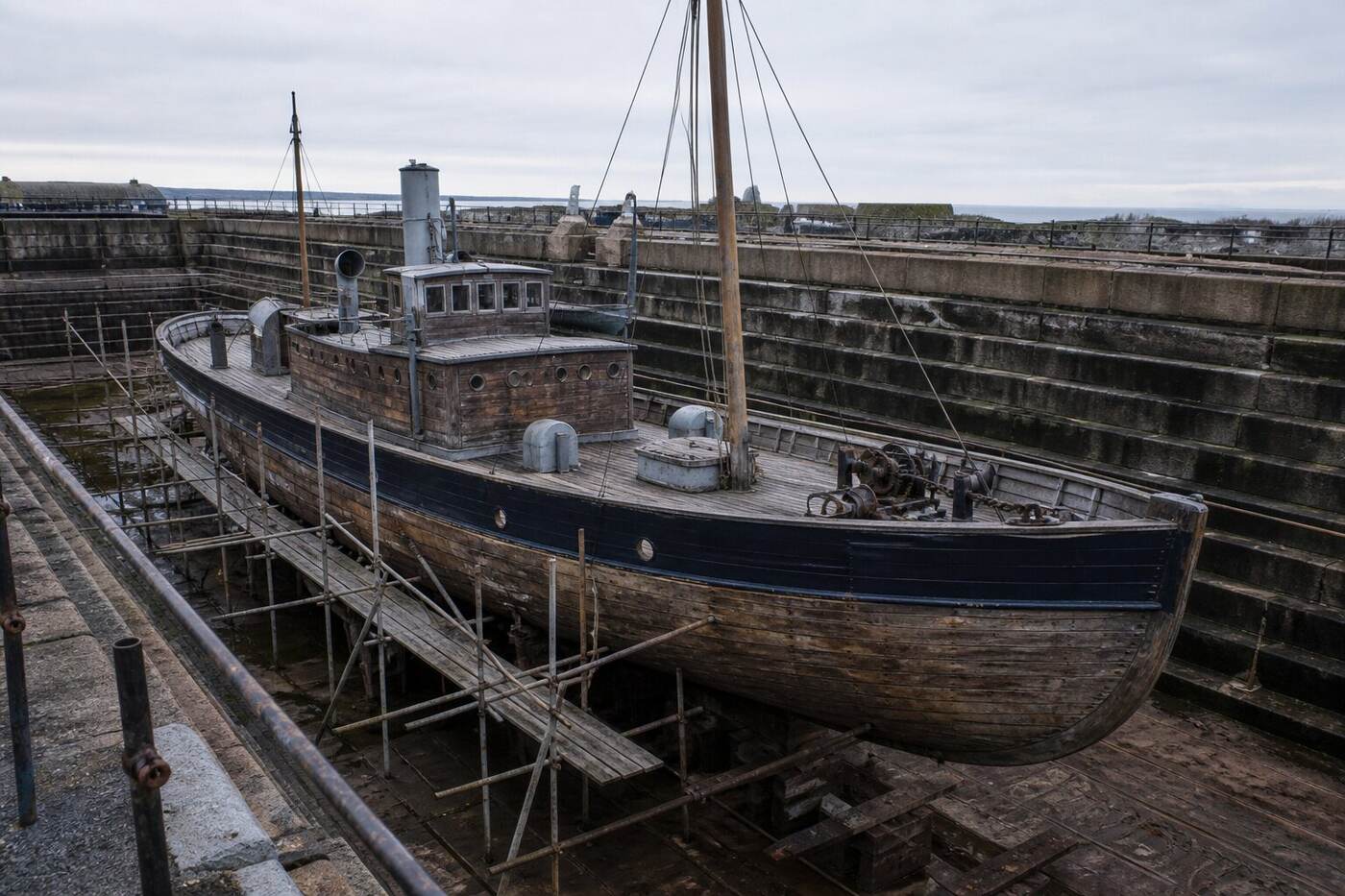
Deck logs, muster rolls and photo provenance are not background detail. They are the tools that keep a microhistory accountable.
Context
The ship becomes legible when identity, material, equipment and operational setting are read together.
Source status
Read the methodology, follow the source plan or send a correction to the desk.
Publication routes
Meet the publication and review its correction route before contributing a source.
Commercial proposals follow the sponsored-content rules; reader data follows the privacy policy.
Rights and ownership questions are covered by the legal notice, with a direct route to contact the desk.
Working reference
These pages stay in view because they are revisited, corrected and useful as reference points for the ship’s history.
 04
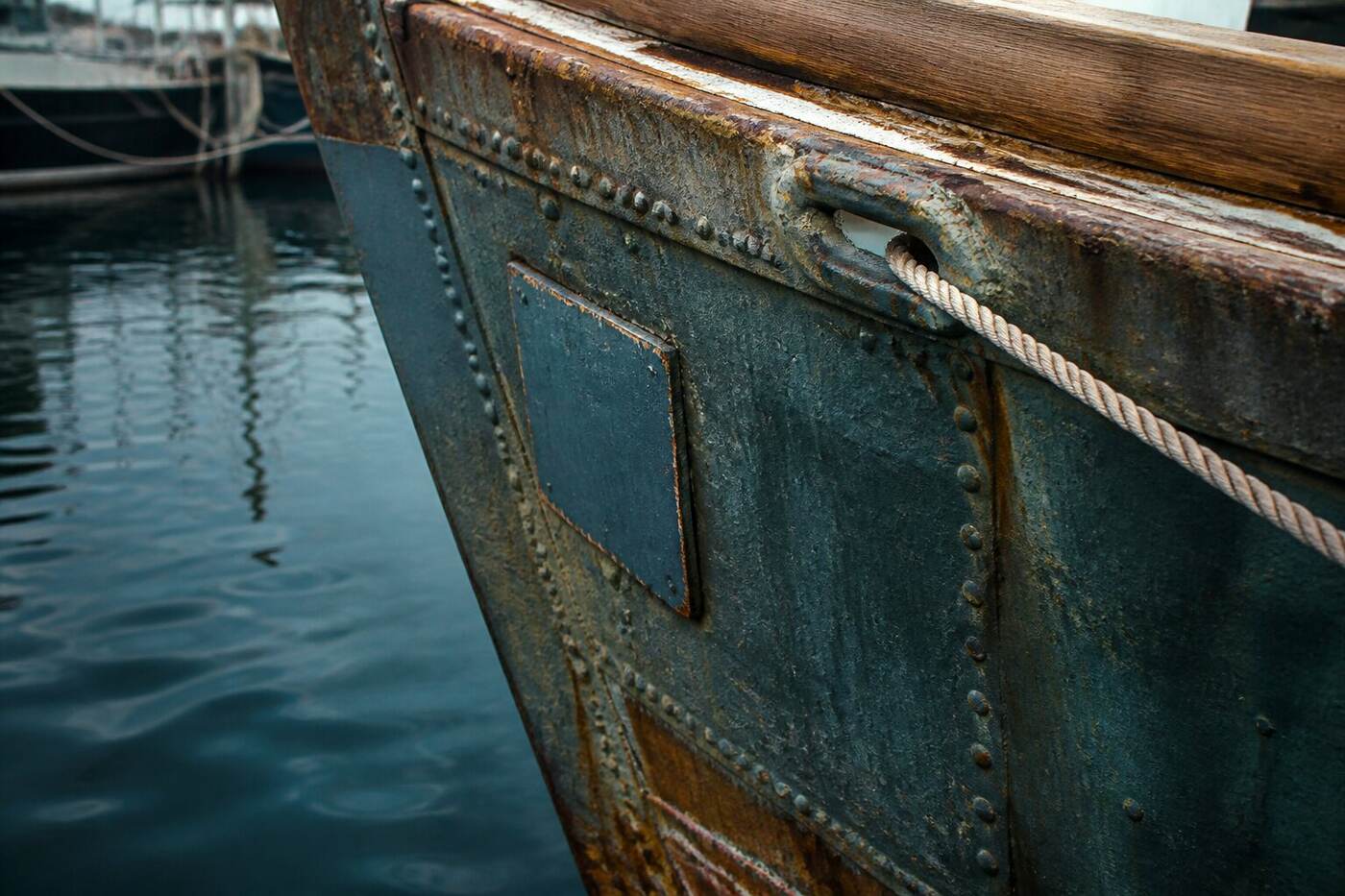
04A designation guide for reading hull numbers and classification labels without losing the record behind them.
 07
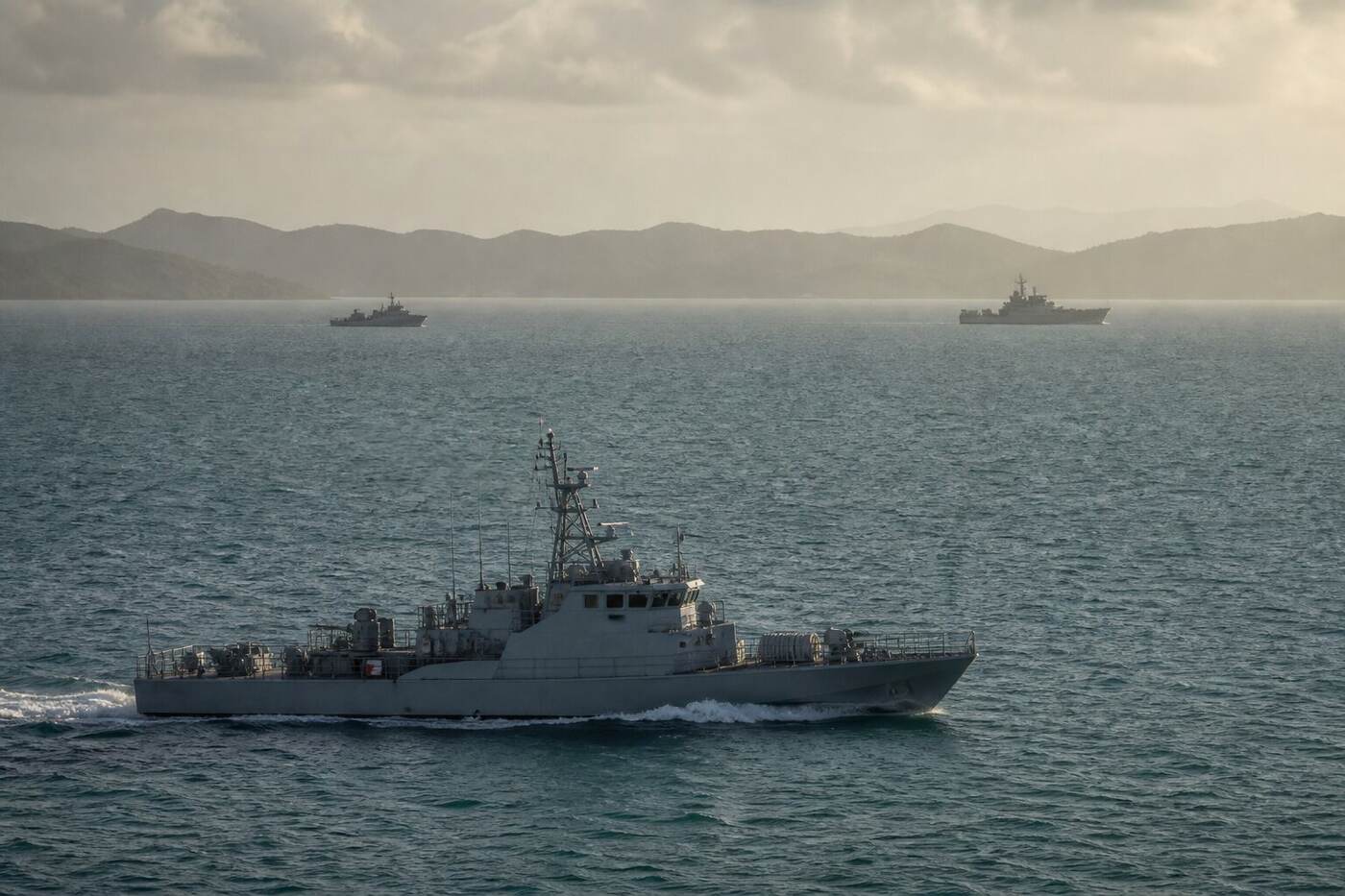
07A reference route for separating the operation-wide system from the ship-specific record.
 03
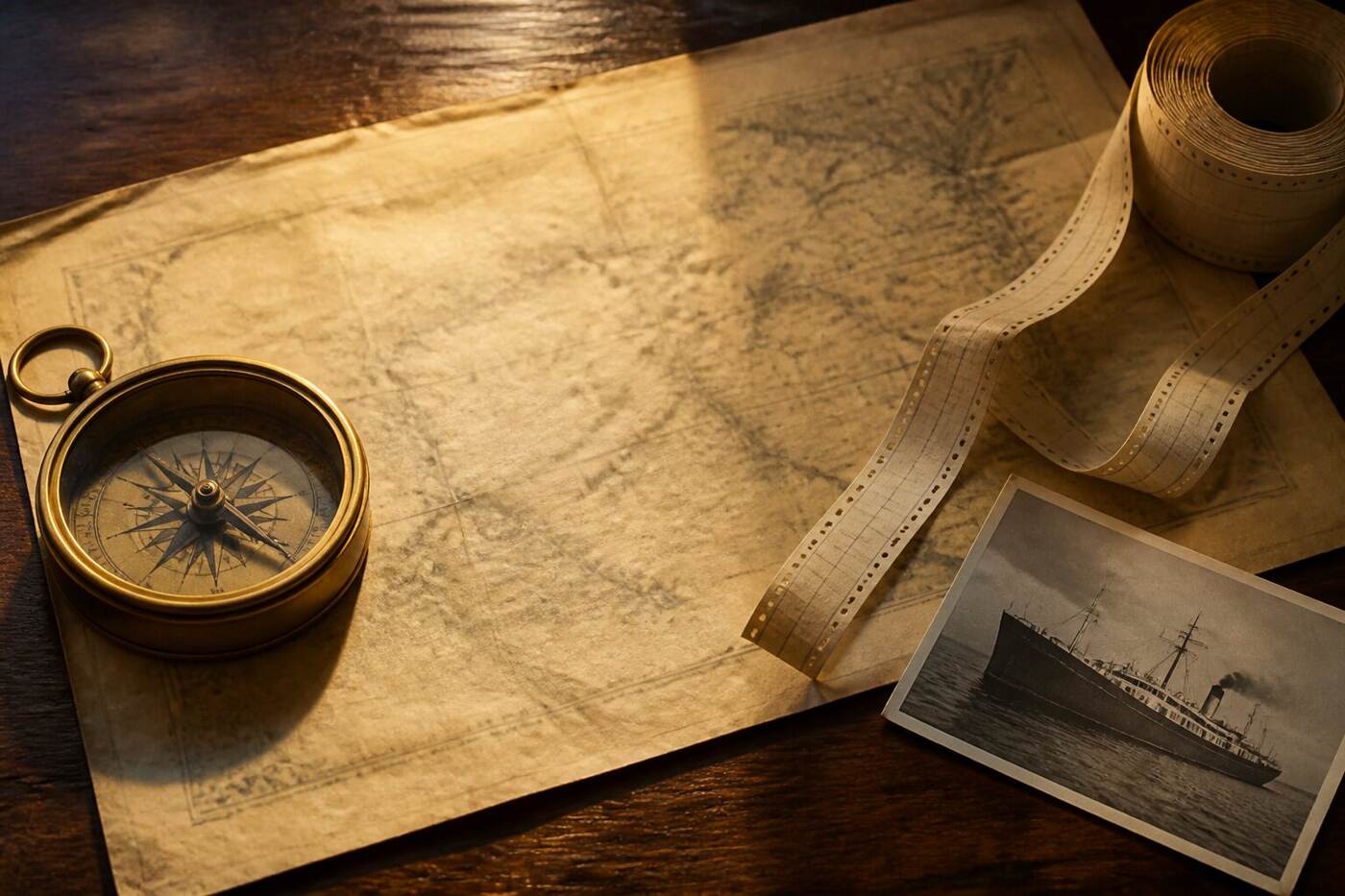
03A dated guide that keeps event type, place and evidence in the same historical view.
 24
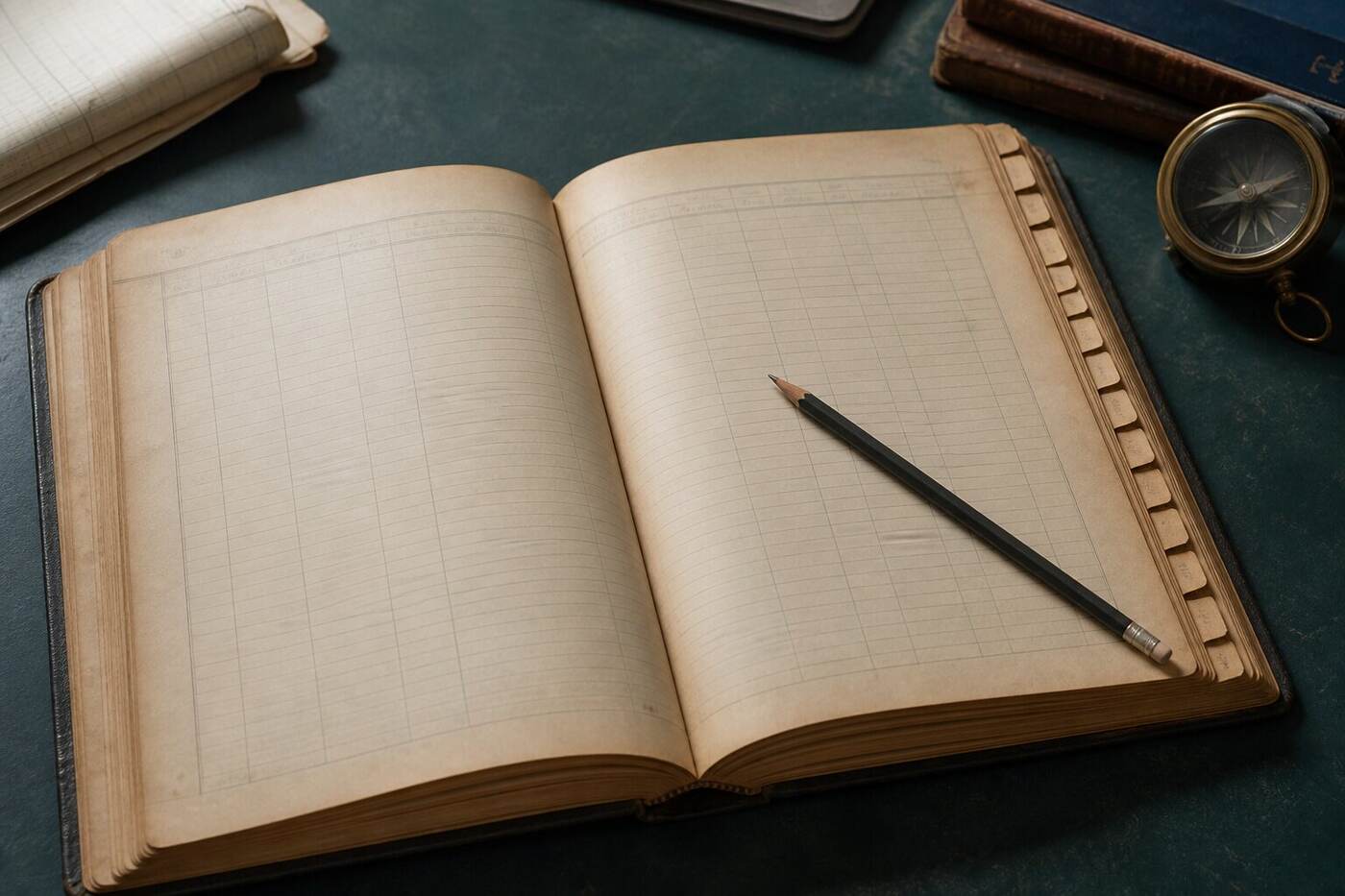
24A practical archive guide that matches the precision of a question to the format of a Navy deck log.
 05
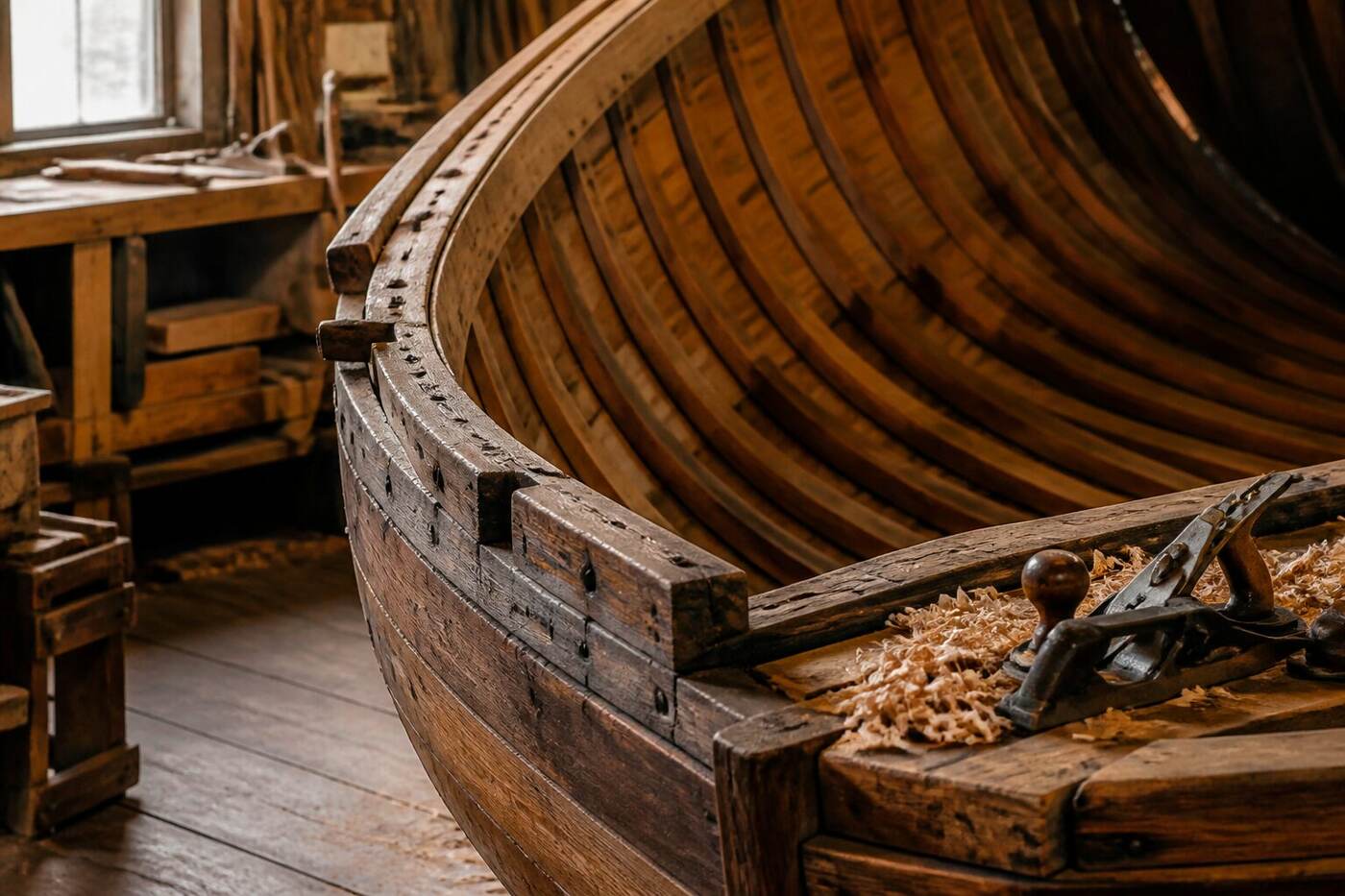
05A material-history article explaining why wooden construction mattered to minesweeper work and risk.
A related reading room
The Quarterdeck Library complements this desk by connecting ships, books, people and archival series across nautical history.
Read the Quarterdeck Library for that companion route.
Further reading rooms
The Blade Register, an English documentary register on historical European swords, gathers Oakeshott typology, pattern welding and conservation notes, plus a forty-six term glossary, for readers who want a verifiable base; see European swords register.
For readers who want practical guidance on building a home library, Fólio Aberto is a Portuguese magazine on reading, libraries and printed heritage, with checklists, a growing glossary and help to choose your next book.
Readers tracing French political and social history from 1789 onward will find a French documentary site covering institutions, left-wing currents, and popular struggles across two centuries.
For the archaeology of the American Southwest, the Southwest Archaeology Notebook gathers visitable sites such as Chaco Canyon and Mesa Verde, Pecos classification and Ancestral Puebloan migrations, and visiting rules on pottery, petroglyphs and federal law.
Readers tracing how remote viewing was recorded and later argued over can turn to Ten Thousand Roads, an English documentary site on session notes, declassified files, and the archive debates that surround them.
For readers tracing the material history of chance, from Mesopotamian dice to Parisian roulette, the Cabinet of Chance gathers timelines, glossaries, and notes on fraud, literature, and museum collections across five thousand years.
For readers who need to tie a line to a post, join two ropes of different sizes, or seize a binding that holds under load, this English knot reference groups hitches, bends, loops and bindings by function, with method and breaking point noted.